
close
Choose Your Site
Global
Social Media
Views: 0 Author: Site Editor Publish Time: 2025-11-10 Origin: Site
Are you struggling to find the best fiber optic splicing machine?
Fusion splicers are essential tools in modern communication networks. Choosing the right one can significantly impact signal quality and overall performance.
In this article, we’ll explore what fusion splicers are, their importance, and how to select the best option for your needs.
Fusion splicing is a method used to join two optical fibers together. This process involves melting the ends of the fibers, allowing them to fuse into a single continuous strand. It’s crucial for ensuring minimal signal loss and high performance in fiber optic networks.
The fusion splicing process can be broken down into a few key steps:
1. Preparation: First, the fiber ends are stripped of their protective coatings. This exposes the glass core, which is essential for splicing.
2. Cleaving: Next, the fiber ends are cleaved to create a flat surface. A clean cut is vital for a successful splice, as it ensures optimal alignment.
3. Alignment: The cleaved fibers are then aligned precisely in the fusion splicer. This step is critical, as even slight misalignments can lead to increased loss.
4. Fusing: Finally, an electric arc is used to melt the fiber ends together. This creates a strong bond, effectively merging the two fibers into one.
Fusion splicing stands out from other splicing techniques, such as mechanical splicing. Here are some key differences:
Feature | Fusion Splicing | Mechanical Splicing |
Method | Melting the fibers together | Aligning fibers with a gel or adhesive |
Loss | Typically lower (0.01-0.05 dB) | Higher (0.1-0.5 dB) |
Durability | More durable and reliable | Less durable |
Cost | Generally higher initial cost | Lower initial cost |
Fusion splicing offers superior performance, making it the preferred choice for most applications.
Using fusion splicers comes with several advantages:
● Low Loss and High Precision: Fusion splicers provide exceptional precision, resulting in lower signal loss. This is essential for maintaining the integrity of data transmission over long distances.
● Durability and Reliability: These splicers are designed to withstand various environmental conditions. Whether in extreme temperatures or humid environments, fusion splicing ensures long-lasting connections.
● Consistency: With automated processes, fusion splicers deliver consistent results. This reliability is crucial for telecommunications where downtime can be costly.
In summary, fusion splicing is a vital technique that enhances the performance of fiber optic networks. Its low loss, high precision, and durability make it the go-to method for professionals in the field.

A high-quality fusion splicer must have essential functionalities to ensure effective splicing. One of the primary methods used is arc heating, which utilizes an electric arc to melt the fiber ends. This method is highly efficient and provides a stable connection. Alternatively, some splicers use laser heating, which can offer precise control over the heating process, ensuring minimal loss.
Another critical aspect is the alignment technique. Fusion splicers typically employ two main alignment methods: core alignment and cladding alignment. Core alignment aligns the glass cores of the fibers for optimal signal transfer, while cladding alignment focuses on the outer cladding layers. Core alignment generally results in lower splice loss and is preferred for high-performance applications.
When selecting a fusion splicer, several specifications are crucial for performance:
● Splicing and Heating Time: The best machines can complete splicing in as little as 7 seconds, significantly improving workflow efficiency.
● Splicing Loss Metrics: Understanding the loss metrics is vital. For single-mode fibers, the typical loss is around 0.01 dB, while multi-mode fibers may have slightly higher losses, usually around 0.05 dB.
● Compatibility with Different Fiber Types: Ensure the splicer is compatible with various fiber types, such as G.652, G.657, and G.654. This versatility allows for greater flexibility in different networking environments.
Here’s a quick comparison of splicing loss metrics for different fiber types:
Fiber Type | Splicing Loss (dB) |
Single-mode | 0.01 |
Multi-mode | 0.05 |
Specialty | 0.03 |
Modern fusion splicers come equipped with features that enhance usability and efficiency. A 5-inch HD touchscreen is a significant upgrade, allowing users to view fibers simultaneously during the splicing process. This feature simplifies alignment and improves accuracy.
Additionally, many splicers include a built-in optical power meter and a visual fault locator (VFL). These tools help technicians quickly identify issues in the fiber network, making troubleshooting more straightforward.
Data storage capacity is another important feature. The best fusion splicers can store between 10,000 to 20,000 splicing records. This capability is invaluable for tracking splicing history and ensuring quality control over time.
Incorporating these features makes fusion splicers not just functional but also user-friendly, helping technicians perform their tasks more efficiently.
When selecting a fusion splicer, several factors should guide your decision. Application scenarios play a significant role. For instance, if you're working on FTTx (Fiber to the x) networks, you'll need a splicer that excels in quick, efficient connections. In contrast, backbone networks often require machines designed for high-capacity splicing, offering more robust features and capabilities.
Portability and weight are also crucial, especially for fieldwork. Handheld models typically weigh under 2 kg, making them easy to transport. A lightweight splicer allows technicians to work efficiently without feeling burdened by heavy equipment.
Moreover, consider battery life and durability. Look for splicers with high IP ratings, indicating resistance to dust and water. Additionally, machines with drop resistance will survive rough handling in the field, ensuring they remain functional even in challenging environments.
To assess the efficiency and performance of a fusion splicer, focus on key performance indicators. Splicing time is critical; the best machines can splice fibers in as little as 7 seconds. This speed can significantly enhance productivity, especially when dealing with large projects.
Next, examine the splicing loss metrics. High-quality splicers typically achieve losses of 0.01 dB for single-mode fibers and around 0.05 dB for multi-mode fibers. These low loss values are essential for maintaining signal integrity.
Another important metric is cycle counts, which indicates how many splices a machine can perform before maintenance is needed. A higher cycle count suggests better durability and efficiency.
Performance Indicator | Ideal Metric |
Splicing Time | ≤ 7 seconds |
Single-mode Loss | ≤ 0.01 dB |
Multi-mode Loss | ≤ 0.05 dB |
Cycle Count | 10,000+ splices |
User-friendly features can greatly enhance the overall experience of using a fusion splicer. A touchscreen interface is a valuable asset, allowing for intuitive navigation and operation. It simplifies complex tasks, making it easier for technicians to focus on the splicing process rather than struggling with controls.
Additionally, consider the data storage capacity. Splicers that can hold between 10,000 to 20,000 records provide ample space for tracking splicing history. This feature is beneficial for quality assurance and helps maintain accurate records for future reference.
Incorporating these considerations will help you choose the right fusion splicer for your specific needs, ensuring optimal performance and efficiency in your fiber optic projects.
When exploring fusion splicers, you'll find various models tailored for specific applications. Handheld FTTx models are designed for flexibility and ease of use in the field. They typically weigh under 2 kg, making them ideal for technicians who need to move quickly between sites. These splicers are perfect for smaller installations, such as connecting residential buildings to fiber networks.
For more demanding environments, outdoor robust models are built to withstand harsh conditions. These splicers often feature enhanced durability, including high IP ratings for water and dust resistance. Their rugged design ensures reliable performance in extreme weather, making them suitable for outdoor installations in remote areas.
Multi-functional splicers cater to projects involving ribbon fibers. These machines can handle multiple fibers simultaneously, increasing efficiency for large-scale installations. They often come equipped with advanced features to ensure precise alignment and minimal loss during splicing.
Lastly, we have high-precision splicers designed for backbone applications. These splicers focus on achieving the lowest possible splice loss, which is crucial for maintaining signal quality in long-distance networks. Their advanced technology allows for meticulous fiber alignment, ensuring optimal performance.
Each type of fusion splicer comes with distinct features that cater to different needs. Below is a comparison of key specifications and ideal use cases for each type:
Splicer Type | Key Features | Ideal Use Case |
Handheld FTTx Models | Lightweight, portable, user-friendly | Residential fiber connections |
Outdoor Robust Models | High durability, weather-resistant design | Remote outdoor installations |
Multi-Functional Splicers | Handles multiple fibers, fast splicing | Large-scale projects, ribbon fibers |
High-Precision Splicers | Low splice loss, precise alignment | Backbone networks, critical systems |
Understanding these differences helps you choose the right splicer for your specific needs. When selecting a fusion splicer, consider the environment and the type of fiber you’ll be working with. This way, you can ensure you have the right tools for efficient and effective splicing operations.
Each fusion splicer type has unique advantages, and knowing when to use each can make a significant difference in your fiber optic projects.
When searching for the best fusion splicer, several models stand out due to their performance and features. These popular splicers are recognized for their reliability and efficiency in various applications. Let’s take a closer look at some of the leading models without naming specific brands, focusing instead on their key attributes and specifications.
1. Model A: Known for its lightweight design and portability, this model is ideal for field technicians. It offers quick splicing times and is user-friendly, making it perfect for those new to fiber optics.
2. Model B: This splicer excels in harsh outdoor conditions. With enhanced weather resistance and durability, it’s built for rugged environments, ensuring consistent performance even in challenging situations.
3. Model C: Designed for high-capacity jobs, this model can splice multiple fibers simultaneously. It’s particularly useful for ribbon fiber applications, significantly increasing productivity during large installations.
4. Model D: Focused on precision, this splicer boasts the lowest splice loss in its class. It’s perfect for backbone applications where maintaining signal quality is critical.
Each model has distinct specifications that cater to different needs. Here’s a summary of their unique selling points:
● Model A:
○ Splicing Time: 5 seconds
○ Loss: 0.01 dB
○ Battery Life: 300 cycles
○ Features: Touchscreen interface, lightweight design.
● Model B:
○ Splicing Time: 8 seconds
○ Loss: 0.02 dB
○ Battery Life: 200 cycles
○ Features: Weather-resistant casing, robust build.
● Model C:
○ Splicing Time: 10 seconds
○ Loss: 0.01 dB
○ Battery Life: 250 cycles
○ Features: Multi-fiber capability, fast setup.
● Model D:
○ Splicing Time: 6 seconds
○ Loss: 0.005 dB
○ Battery Life: 350 cycles
○ Features: High-precision alignment, advanced software.
To better understand how these models stack up against each other, here’s a comparison table highlighting their performance metrics:
Model | Splicing Time | Splice Loss | Battery Life | Additional Features |
Model A | 5 seconds | 0.01 dB | 300 cycles | Touchscreen, lightweight |
Model B | 8 seconds | 0.02 dB | 200 cycles | Weather-resistant |
Model C | 10 seconds | 0.01 dB | 250 cycles | Multi-fiber capability |
Model D | 6 seconds | 0.005 dB | 350 cycles | High-precision alignment |
When evaluating these fusion splicers, efficiency and cost are key factors. Models like Model A and Model D are particularly efficient, offering rapid splicing times that can enhance productivity on the job. Their quick performance can significantly reduce labor costs in large projects.
On the other hand, Model B and Model C provide comprehensive functionality at a more accessible price point. While they may not be the fastest, their durability and multi-fiber capabilities make them excellent choices for budget-conscious buyers who still need reliable performance.
In summary, the best fusion splicer for you will depend on your specific needs, whether that’s speed, durability, or cost-effectiveness. By understanding the strengths of each model, you can make an informed decision that fits your fiber optic splicing requirements.
When selecting a fusion splicer, users must consider their unique requirements. Different projects demand different features, and understanding these needs can significantly impact the effectiveness of the splicer. Key factors to evaluate include:
● Project Scale: Determine if the project is small-scale or extensive. Smaller projects may benefit from compact, portable models, while larger installations might require robust machines capable of handling multiple fibers at once.
● Environment: Consider the working conditions. Outdoor projects may need splicers that are weather-resistant, while indoor applications, such as data centers, might prioritize precision and speed.
● Fiber Types: Ensure compatibility with the types of fibers being used. Different splicers handle single-core and multi-core fibers differently, so this is crucial for optimal performance.
For small-scale FTTx (Fiber to the x) projects, users should look for fusion splicers that are lightweight and easy to operate. Here are some recommendations:
● Portability: Select a model that is easy to transport, ideally weighing less than 2 kg. This makes it convenient for technicians who need to move frequently between sites.
● Quick Setup: Choose a splicer with fast splicing times, ideally around 5-7 seconds, to enhance productivity during installations.
● User-Friendly Interface: A touchscreen interface can simplify operations, making it easier for less experienced users to perform splicing efficiently.
When working on outdoor backbone networks, durability and reliability are paramount. Users should consider the following:
● Weather Resistance: Opt for splicers with high IP ratings, indicating they can withstand dust and moisture. This ensures consistent performance in harsh environments.
● Battery Life: Look for models with extended battery life, allowing for longer operational periods without needing frequent recharging.
● Rugged Design: A robust build will help prevent damage during transport and use in challenging conditions.
For data centers and applications involving multi-core fibers, precision and efficiency are key. Here are some factors to consider:
● High Precision: Choose splicers that offer low splice loss (ideally below 0.01 dB) to maintain signal integrity across multiple cores.
● Multi-Fiber Capability: Models that can splice multiple fibers simultaneously can significantly reduce overall installation time, making them ideal for large-scale data center applications.
● Advanced Features: Look for splicers equipped with sophisticated alignment technology and software that can support complex configurations.
While selecting a fusion splicer, users often make several common mistakes. Being aware of these can help ensure a better purchase decision:
● Overlooking Compatibility: One major pitfall is ignoring whether the splicer is compatible with existing fiber types. Always check if the model supports the specific fibers you will be using, as this can affect performance and results.
● Ignoring User Support: Consider the availability of user support and warranty options. A solid warranty can be a lifesaver in case of technical issues, and good customer support can provide valuable assistance during operation.
● Neglecting Training Needs: Some users forget to factor in the learning curve associated with different models. Ensure that adequate training resources are available, especially for more complex machines.
By keeping these considerations in mind, users can make informed decisions when selecting a fusion splicer that best suits their needs. This thoughtful approach will lead to more successful fiber optic installations and enhanced project outcomes.
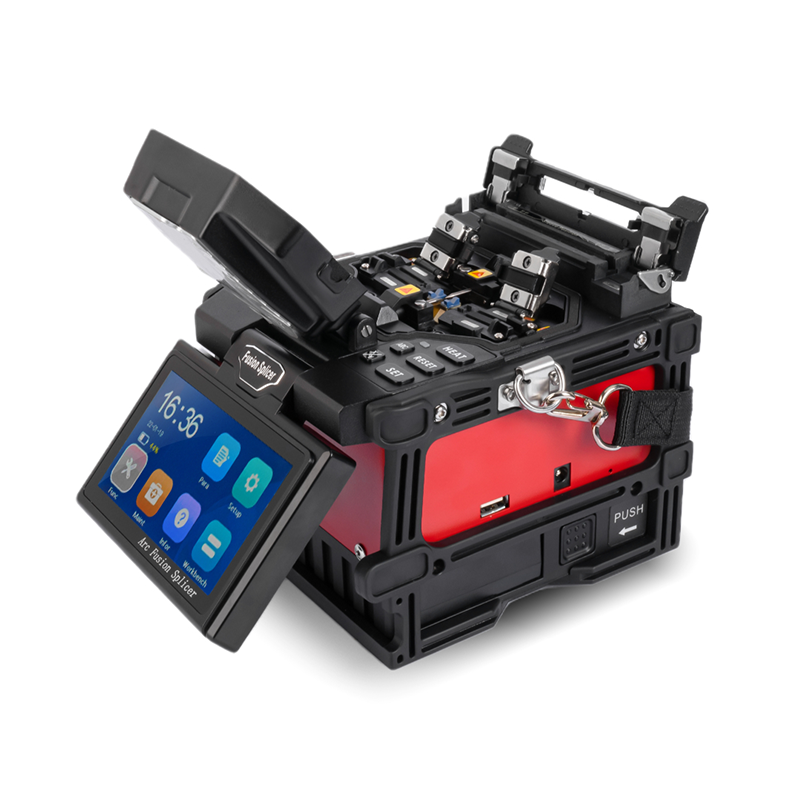
The field of fiber optic splicing is rapidly evolving, driven by technological advancements that enhance efficiency and effectiveness. Recent innovations have transformed how technicians approach splicing tasks. Here are some key developments:
● AI and Automation: Artificial intelligence is making waves in the splicing process. AI algorithms can analyze splice quality in real time, allowing for immediate adjustments and reducing human error. Automation tools streamline workflows, enabling faster setups and less downtime.
● Integration of Additional Tools: Modern fusion splicers are now equipped with integrated tools like power meters and Optical Time Domain Reflectometers (OTDR). This integration allows technicians to conduct comprehensive testing and troubleshooting without needing separate devices, saving time and improving accuracy.
● Energy Efficiency and Eco-Friendly Designs: There is a growing trend towards energy-efficient splicing machines. Manufacturers are designing splicers that consume less power, which not only reduces operational costs but also minimizes environmental impact. Eco-friendly materials are increasingly being used in construction as well.
As the demand for high-speed internet continues to rise, especially with the rollout of 5G and the anticipated 6G networks, the fiber optic splicing industry is adapting accordingly. Here’s how:
● Impact of 5G/6G Networks: The implementation of 5G and future 6G networks requires faster and more reliable fiber connections. This pushes manufacturers to develop splicers that can handle higher data rates and lower latency, ensuring seamless connectivity.
● Predictions for Future Developments: Experts predict that future fusion splicers will incorporate even more advanced technologies, such as machine learning and enhanced user interfaces. These innovations will likely lead to smarter, more intuitive devices capable of self-diagnosis and automatic updates.
User preferences are shifting as new technologies emerge. The following trends are becoming increasingly prominent:
● Shift Towards Smart Devices: There is a noticeable move towards smart fusion splicers that offer remote control capabilities. Technicians can monitor and manage splicing operations from their mobile devices, providing greater flexibility and control during installations.
● Increased Demand for Low-Power Solutions: Users are increasingly seeking splicers that deliver high efficiency while consuming minimal power. This trend aligns with broader industry goals of sustainability and cost-effectiveness.
Trend | Description |
AI and Automation | Enhances accuracy and speed in splicing processes. |
Integration of Tools | Combines splicing with testing equipment for efficiency. |
Energy Efficiency | Focuses on reducing power consumption and environmental impact. |
Smart Devices | Allows remote operation and monitoring via mobile apps. |
Low-Power Solutions | Meets demand for eco-friendly and cost-effective splicing. |
These trends highlight the dynamic nature of the fiber optic splicing industry. As technology advances, users can expect more efficient, user-friendly, and environmentally conscious solutions that will shape the future of fiber optic installations.
Choosing the best fiber optic splicing machine involves understanding key features.
Consider factors like portability, speed, and compatibility with fiber types.
Evaluate your specific needs, such as project scale and environment.
It’s essential to assess these elements before making a purchase.
This approach ensures you select a fusion splicer that meets your requirements effectively.
A: The average cost of a fusion splicer ranges from $2,000 to $10,000, depending on features and capabilities.
A: Learning to use a fusion splicer typically takes a few days to a week, depending on prior experience.
A: Yes, many fusion splicers are designed to handle both single-mode and multi-mode fibers effectively.
A: Regular maintenance includes cleaning the splicing blades, checking calibration, and ensuring the machine is free of dust and debris.


