
close
Choose Your Site
Global
Social Media
Views: 0 Author: Site Editor Publish Time: 2025-11-10 Origin: Site
Fiber optic cables are crucial for high-speed communication today. Stripping these cables correctly is essential for effective installation and maintenance. In this article, we’ll explore the tools used for stripping fiber cables, focusing on the importance of the Fusion Splicer.
Fiber cable stripping involves removing the protective layers of a fiber optic cable to access the core. This process is crucial for connecting fibers during installation or repair. Stripping ensures that the fiber core is exposed without damaging it, allowing for effective splicing or termination.
Proper stripping techniques are vital in maintaining the integrity of the fiber. Without them, the performance of the entire network can be compromised. The tools used for stripping, such as the Fusion Splicer, play a significant role in achieving clean and precise results.
Improper stripping can lead to serious issues. For instance, if the fiber is damaged during the stripping process, it can result in signal loss or even complete failure of the connection. This can lead to costly repairs and downtime, which is particularly critical in high-demand environments.
Here are some key consequences of improper stripping:
● Signal Loss: A damaged fiber core can weaken the signal, causing interruptions.
● Reduced Performance: Even slight damage can lead to increased attenuation, affecting data transmission speeds.
● Increased Costs: Repairs or replacements due to poor stripping can be expensive and time-consuming.
Precision in stripping is not just a best practice; it is essential for maintaining the quality of fiber optic installations. Using the right tools, like a Fusion Splicer, ensures that the stripping process is done correctly, minimizing the risk of damage.
Consequence | Description |
Signal Loss | Weakening of the signal due to fiber damage. |
Reduced Performance | Increased attenuation affecting data speeds. |
Increased Costs | Higher expenses from repairs or replacements needed. |
In conclusion, understanding the importance of fiber cable stripping is crucial for anyone working with fiber optics. It requires skill, precision, and the right tools to ensure successful installations and repairs.

When it comes to stripping fiber cables, having the right tools is essential. Various tools are designed specifically for this purpose, each catering to different types of fiber and applications. Selecting the appropriate tool can make a significant difference in the efficiency and quality of the stripping process.
Using the wrong tool can lead to damage or ineffective stripping, which can compromise the integrity of the fiber. Therefore, understanding the available options is crucial for anyone working in the field of fiber optics.
Cold stripping pliers are one of the most commonly used tools for fiber cable stripping. These pliers work by applying manual pressure to cut through the protective layers without the need for heat.
Advantages:
● Portability: They are lightweight and easy to carry.
● Ease of Use: Simple design allows for quick operation.
● Low Risk of Damage: Since they don’t use heat, the risk of damaging the fiber core is minimized.
Suitable Applications: Cold stripping pliers are ideal for standard fiber cables where precision is essential but heating is not required. They work well in environments where portability and ease of use are prioritized.
Hot stripping pliers utilize heat to soften the coating of the fiber before removal. This method is particularly effective for cables with high-temperature coatings that are difficult to strip using cold methods.
Advantages:
● Efficiency: They provide a faster stripping process for tough materials.
● Better Handling: Heat allows for a cleaner cut and less fiber damage.
Best Practices: It's important to use hot stripping pliers carefully. Always ensure the correct temperature is set to avoid overheating the fiber. These tools excel in industrial environments where quick and efficient stripping is necessary.
Tool Type | Advantages | Suitable For |
Cold Stripping Pliers | Portable, easy to use, low risk of damage | Standard fiber cables |
Hot Stripping Pliers | Efficient, better handling of tough coatings | High-temperature fiber coatings |
In addition to cold and hot stripping pliers, there are specialized tools designed for specific types of fiber optic cables. These tools cater to unique requirements, such as ribbon fibers or armored cables.
Examples of Specialized Tools:
● Ribbon Fiber Strippers: Designed for multiple fibers in a flat ribbon configuration, allowing for simultaneous stripping.
● Armored Cable Strippers: Built to handle the thicker, tougher outer layers of armored cables, ensuring safe and effective stripping.
Using specialized tools can enhance the stripping process by providing tailored solutions for different fiber types. This ensures optimal performance and minimizes the risk of damage during installation or repairs.
By understanding the various tools available for stripping fiber cables, technicians can choose the right equipment for their specific needs. This knowledge leads to better outcomes in fiber optic installations and maintenance.
Before diving into the fiber stripping process, it’s crucial to gather all necessary tools and materials. Here’s what you’ll need:
● Tools:
○ Cold stripping pliers
○ Hot stripping pliers (if required)
○ Fusion splicer
○ Fiber optic cleaver
○ Safety glasses
● Materials:
○ Fiber optic cables
○ Cleaning wipes or alcohol for cleaning
○ Protective gloves
Safety Precautions: Always prioritize safety when working with fiber optics. Wear safety glasses to protect your eyes from tiny glass shards. Additionally, gloves can prevent cuts from sharp fiber ends. Ensure your workspace is clean and organized to avoid accidents.
1. Prepare the Cable: Start by measuring the length of fiber you need to strip. Mark this length on the cable.
2. Insert the Cable: Place the fiber optic cable into the cold stripping pliers, aligning it with the marked area.
3. Apply Pressure: Squeeze the handles of the pliers firmly but gently. This will cut through the outer jacket and protective layers without damaging the fiber.
4. Remove the Coating: Carefully pull away the stripped sections to expose the fiber core. Make sure to do this slowly to avoid any breakage.
1. Heat the Pliers: Turn on the hot stripping pliers and set them to the appropriate temperature for the cable coating.
2. Insert the Cable: Just like with cold stripping, insert the cable into the heated pliers.
3. Wait for the Coating to Soften: Allow a few seconds for the heat to penetrate the coating.
4. Strip the Cable: Once softened, gently squeeze the pliers to remove the coating. Be cautious not to apply too much pressure, as this can damage the fiber.
● Practice Makes Perfect: If you’re new to fiber stripping, practice on scrap pieces of fiber before working on actual cables.
● Check Your Tools: Ensure that your stripping tools are clean and in good condition. Dull blades can cause jagged edges.
● Take Your Time: Rushing can lead to mistakes. Focus on each step to ensure precision.
Here are some typical errors technicians make during the stripping process:
● Overheating the Fiber: When using hot stripping pliers, overheating can lead to fiber damage. Always monitor the temperature closely.
● Inadequate Pressure: Not applying enough pressure can leave coatings intact, making it difficult to splice later.
● Neglecting Tool Maintenance: Regularly check and maintain your tools to ensure they function correctly. Dull or dirty tools can result in poor stripping quality.
Common Mistakes | How to Avoid Them |
Overheating the Fiber | Monitor temperature carefully |
Inadequate Pressure | Ensure firm, even pressure during stripping |
Neglecting Maintenance | Regularly clean and inspect tools |
By following these steps and tips, you can achieve clean and effective stripping of fiber cables, ensuring a successful installation or repair. Proper technique and attention to detail are key to maintaining the integrity of the fiber optic connections.
When selecting a stripping tool for fiber cables, precision is paramount. The tool's blade or heating area must match the fiber size precisely to avoid damaging the core. This is particularly critical because even minor damage can lead to significant signal loss or failure in communication systems. For instance, using a blade that is too large can nick the fiber, while one that is too small may not strip effectively.
Compatibility with Various Fiber Types:
Different types of fiber optic cables, such as single-mode, multi-mode, and specialty fibers, require specific stripping tools. Single-mode fibers, which have a smaller core diameter, need tools designed for precision. In contrast, multi-mode fibers can often tolerate slightly less precision but still require compatible tools to ensure effective stripping. Specialty fibers, like those used in sensors or high-performance applications, may have unique requirements that necessitate specialized stripping tools.
Fiber Type | Required Tool Features |
Single-mode | Precision blades, smaller cutting area |
Multi-mode | Versatile blades, moderate precision |
Specialty fibers | Custom tools, specific heating elements |
The longevity of stripping tools directly impacts their performance. Tools made from high-hardness materials for blades are essential. These materials resist wear and tear, ensuring a longer lifespan and consistent performance. For example, tungsten carbide blades are known for their durability and ability to maintain sharpness over time, making them a popular choice for fiber optic technicians.
Tips for Maintaining Tools:
● To maximize the lifespan of your stripping tools, regular maintenance is crucial. Here are some practical tips:Clean After Use: Always clean tools after each use to remove dust and fiber debris. This prevents build-up that can affect performance.
● Inspect Regularly: Check blades for dullness or damage. Replace them as needed to ensure clean cuts.
● Store Properly: Keep tools in a protective case or designated area to avoid physical damage.
By focusing on precision, compatibility, and proper maintenance, technicians can ensure their stripping tools perform optimally. This attention to detail not only enhances the quality of fiber installations but also reduces the likelihood of costly errors down the line.
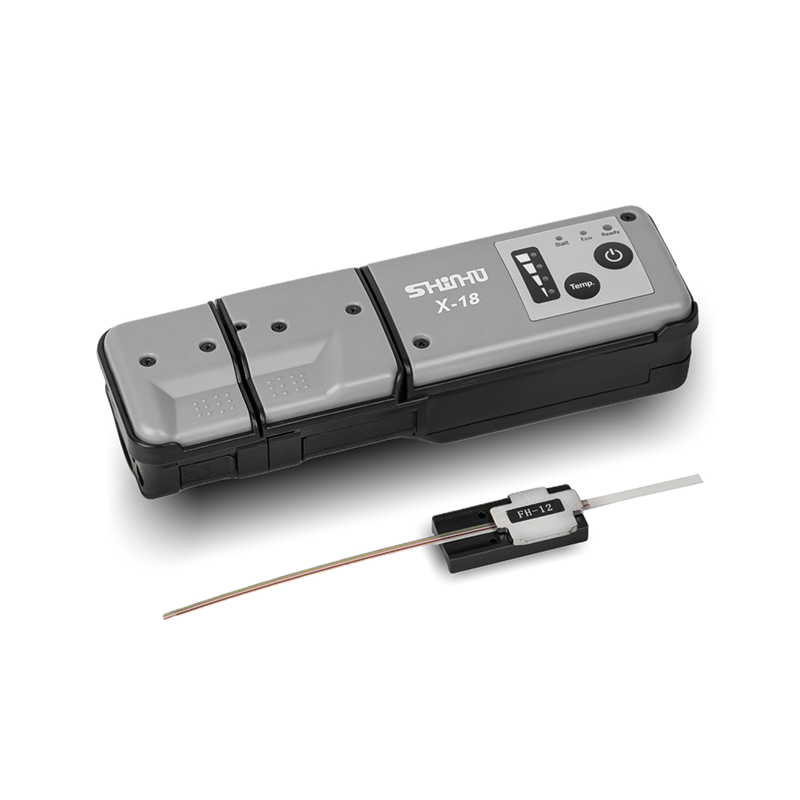
Selecting the right stripping tool for fiber cables is crucial for ensuring effective and efficient installations. Several key factors come into play when making this decision.
Type of Fiber:
The first consideration is the type of fiber you are working with. Single-mode fibers have a smaller core, which requires a more precise tool to avoid damaging the fiber. In contrast, multi-mode fibers can handle slightly less precision but still benefit from the right tool to ensure clean stripping.
Coating Material and Thickness:
Different fibers come with various coating materials and thicknesses. Some coatings are more robust than others, which affects how easily they can be stripped. Tools need to be compatible with the specific coating to avoid tearing or damaging the fiber underneath.
Application Environment:
Where you’ll be using the stripping tool also matters. Indoor environments may have different requirements compared to outdoor settings. For instance, outdoor tools might need to be more rugged to withstand elements like moisture and temperature changes.
Factor | Considerations |
Type of Fiber | Single-mode vs. multi-mode |
Coating Material | Compatibility with specific coatings |
Application Environment | Indoor vs. outdoor durability |
When it comes to stripping tools, there are two main types: cold and hot stripping tools. Each has its own advantages and disadvantages, making it essential to choose based on your specific needs.
Cold Stripping Tools:
These tools use sharp blades to cut through the fiber's coating. They are generally easier to use and provide a quick solution for stripping fibers. However, they may not be suitable for all coating types, especially thicker ones.
Hot Stripping Tools:
Hot stripping tools utilize heat to soften the coating before removal. This method can be more effective for thicker coatings but requires careful handling to avoid overheating the fiber.
Tool Type | Pros | Cons |
Cold Stripping | Quick, easy to use | May struggle with thicker coatings |
Hot Stripping | Effective for tough coatings | Risk of overheating the fiber |
Recommendations Based on Specific Needs:
For technicians working primarily with single-mode fibers, a cold stripping tool may suffice for most tasks. However, if you frequently deal with multi-mode fibers or tougher coatings, investing in a hot stripping tool could save time and improve results. Always consider your specific environment and fiber type when making your choice.By taking these factors into account, you can select the most suitable stripping tool for your fiber optic projects, ensuring optimal performance and reliability.
Using the right tool for stripping fiber cables is crucial. It directly affects the quality of installations. The Fusion Splicer plays a vital role in ensuring successful fiber optic connections. Investing in high-quality stripping tools leads to better results and fewer errors. Make informed choices to enhance your fiber optic projects.
A: The best tool depends on the fiber type. Cold and hot stripping tools are popular choices.
A: Check if the tool is designed for single-mode or multi-mode fibers and matches coating thickness.
A: No, regular wire strippers are not suitable for fiber cables and can cause damage.
A: Regular cleaning, blade inspections, and proper storage are essential for maintaining stripping tools.
A: Improper stripping can damage the fiber, leading to signal loss and reduced performance.


