
close
Choose Your Site
Global
Social Media
Views: 0 Author: Site Editor Publish Time: 2025-11-10 Origin: Site
Are you curious about the costs involved in fusion splicing? This essential process plays a vital role in fiber optic networks.
In this article, we will break down the costs associated with fusion splicing. You’ll learn about equipment, labor, and maintenance expenses.
Let’s dive into the details of what you can expect to pay for a fusion splice.
A fusion splicer is a specialized device used to join two optical fibers together. This process, known as fusion splicing, involves melting the ends of the fibers using an electric arc. The result is a strong, low-loss connection that is essential for effective data transmission.
Fusion splicing is a precise technique. Here’s a simplified breakdown of the process:
1. Preparation: First, the fiber ends are stripped of their protective coatings and cleaned. This ensures a clear connection.
2. Alignment: The fibers are then aligned in the splicer. Accurate alignment is crucial for minimizing signal loss.
3. Splicing: An electric arc is applied to melt the fiber ends together. This creates a permanent bond.
4. Protection: Finally, a protective sleeve is placed over the splice to safeguard it from environmental factors.
Here’s a visual representation of the fusion splicing process:
Step | Description |
Preparation | Stripping and cleaning fiber ends |
Alignment | Aligning fibers for optimal connection |
Splicing | Melting ends together using an electric arc |
Protection | Covering the splice with a protective sleeve |
Fusion splicing is vital in the telecommunications industry. It ensures high-quality connections, which are essential for reliable data transmission. Here are a few reasons why it's so important:
● Low Signal Loss: Fusion splices have minimal signal loss compared to other methods, like mechanical splicing. This means better performance for networks.
● Durability: The bonds created through fusion splicing are strong and durable, making them ideal for long-term use in various environments.
● Scalability: As demand for data increases, fusion splicing allows for easy upgrades and expansions of fiber optic networks.
In summary, fusion splicing is a key technology that supports our growing need for fast and reliable communication. It plays a critical role in connecting people and businesses through efficient data transfer.
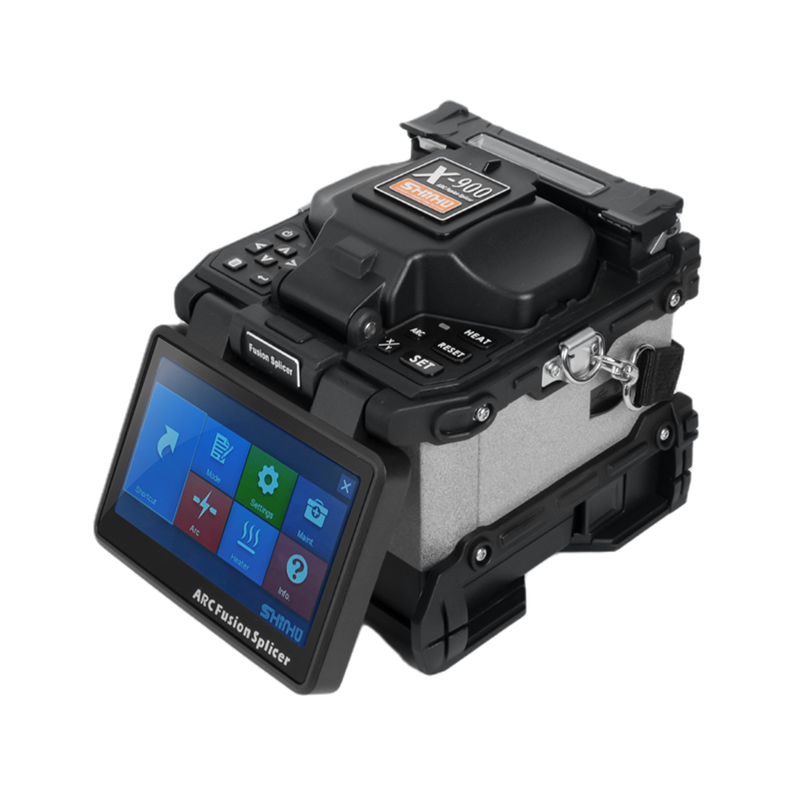
When considering the cost of fusion splicing, equipment plays a crucial role. There are three main types of fusion splicers:
● Entry-Level Splicers: These are ideal for small projects or beginners. They typically range from $360 to $650.
● Mid-Range Splicers: Offering better features and performance, these splicers cost between $795 and $1190.
● High-End Professional Splicers: Designed for large-scale operations, these splicers can be quite expensive, ranging from $2000 to $13026.
Type | Price Range |
Entry-Level | $360 - $650 |
Mid-Range | $795 - $1190 |
High-End | $2000 - $13026 |
The features of a fusion splicer significantly impact its price. Key aspects include:
● Precision: Higher precision splicers typically cost more due to advanced technology.
● Speed: Faster splicing times can increase equipment costs.
● Compatibility: Splicers that work with various fiber types may also come at a premium.
Choosing the right specifications is essential for specific projects. It can ensure efficiency and quality in splicing.
Another cost factor is the consumables used in fusion splicing. For instance, electrodes are crucial components. Replacement electrodes usually cost between $890 and $910 for two pieces.
The lifespan of these electrodes varies, but they typically need replacement after a certain number of splices. Regular monitoring can help manage these costs effectively.
In addition to electrodes, protective sleeves and other consumables are necessary. The cost of protective sleeves can add up, so budgeting for these items is vital.
These consumables ensure the integrity of the splice, protecting it from environmental factors.
Labor costs are another significant aspect of fusion splicing. Training operators can cost between $500 and $1500 per person.
Having skilled labor is essential for ensuring quality splicing. Proper training reduces errors and improves efficiency.
The daily rates for fiber optic technicians typically range from $200 to $500. The project size and complexity can influence these rates.
For larger projects, having experienced technicians can lead to better outcomes, despite the higher initial costs.
Maintaining fusion splicers involves regular calibration. This can cost between $100 and $500.
Additionally, if equipment fails, repair costs can range from 20% to 50% of the equipment cost. Regular maintenance can help mitigate these expenses.
Finally, energy consumption is an ongoing cost associated with operating fusion splicers. Battery costs for portable splicing operations can range from $300 to $800 for backups.
Understanding these operational costs is crucial for budgeting and project planning.
When evaluating the costs associated with fusion splicing, it’s crucial to consider the total cost of ownership (TCO). This includes not just the initial purchase price of the fusion splicer but also factors such as maintenance, consumables, and labor over time.
For example, while a cheaper splicer may seem appealing at first, it can lead to higher costs down the line. Here's a breakdown of potential long-term expenses:
Cost Component | Short-Term Cost | Long-Term Cost |
Equipment Purchase | $360 - $13026 | Depreciation |
Maintenance | Varies | $100 - $500 annually |
Consumables | $890 - $910 (electrodes) | $200 - $1000 annually |
Labor | $200 - $500 daily | $5000 - $15000 annually |
Investing in lower-cost equipment can lead to significant initial savings. However, these savings often come at a cost. Cheaper fusion splicers may require more frequent repairs and replacements, which can quickly negate any upfront savings.
Consider this: a low-end splicer might save you $300 initially, but if it leads to twice the maintenance costs over a year, those savings evaporate. This is why it’s essential to look beyond the sticker price and assess the long-term implications.
In long-term budgeting for fusion splicing, maintenance, consumables, and labor are critical factors.
● Maintenance: Regular servicing can prevent costly breakdowns. Setting aside funds for annual maintenance can save you from unexpected expenses.
● Consumables: Items like electrodes and protective sleeves are essential for every splice. Budgeting for these consumables ensures you won’t face sudden financial strain.
● Labor: Skilled technicians are necessary for high-quality splicing. Investing in training can improve efficiency and reduce errors, ultimately lowering costs.
By considering these elements, businesses can create a more accurate financial picture and avoid surprises down the road.
In summary, while the initial investment in a fusion splicer is important, understanding the long-term costs associated with ownership can lead to better financial decisions and ultimately, more successful projects.
When it comes to connecting fiber optics, fusion splicing is just one of several methods available. Among these, mechanical splicing is the most common alternative. Mechanical splicing involves aligning the ends of the fibers using a fixture and adhesive, which allows light to pass through. While this method is simpler and less expensive in terms of equipment, it generally results in higher optical loss compared to fusion splicing.
Here’s a quick look at some common splicing methods and their characteristics:
Splicing Method | Description | Pros and Cons |
Fusion Splicing | Joins fiber ends by melting them together | Pros: Low optical loss; Cons: Higher equipment cost |
Mechanical Splicing | Aligns fibers using a physical fixture | Pros: Lower cost; Cons: Higher optical loss |
Thermal Splicing | Uses heat and pressure to connect fibers | Pros: Fast; Cons: Requires technical expertise |
In terms of costs, fusion splicing typically requires a higher initial investment. The price of fusion splicing equipment can range from $3,000 to $15,000, while mechanical splicing equipment usually costs between $300 and $1,500. Although fusion splicing has a higher upfront cost, its performance advantages may lead to lower maintenance and failure costs over time.
Here’s a breakdown of the costs associated with different splicing methods:
Splicing Method | Initial Equipment Cost | Cost Per Splice | Long-Term Maintenance Cost |
Fusion Splicing | $3,000 - $15,000 | $0.50 - $2.00 | Relatively low |
Mechanical Splicing | $300 - $1,500 | $1.00 - $5.00 | Relatively high |
When choosing a splicing method, understanding the pros and cons of each is crucial. The main advantage of fusion splicing is its low optical loss and high reliability, making it ideal for high-performance connections in data centers and long-distance communications. However, the higher equipment costs and technical skill required can be a barrier for some projects.
On the other hand, while mechanical splicing has a lower initial cost, it results in higher optical loss, which can lead to signal degradation and impact overall network performance. For smaller projects or temporary connections, mechanical splicing can be a practical choice, but it may incur higher maintenance costs in the long run.
By weighing these factors, users can make informed decisions based on their specific needs, ensuring they find the best balance between cost and performance.
In recent years, fusion splicing technology has seen remarkable advancements. Modern fusion splicers are now equipped with more efficient optical alignment systems, significantly enhancing the precision of the splicing process. Many of these devices come with automation features that allow for quick splicing, greatly improving operational efficiency. For instance, some of the latest models can complete a splice in as little as 30 seconds, compared to several minutes with traditional equipment.
Technological Advancement | Description |
Automated Alignment Systems | Increases splicing accuracy and speed |
AI Integration | Optimizes splicing parameters through data analysis |
Portable Devices | Suited for fieldwork, enhancing job flexibility |
Moreover, the integration of artificial intelligence is transforming the splicing industry. AI can adjust splicing parameters based on real-time data, reducing error rates and material waste. This innovation not only boosts efficiency but also lowers costs in the long run.
The current market for fusion splicers is experiencing growth, which is influencing price dynamics. With the rise of 5G networks and smart city developments, the demand for fiber optic infrastructure is on the rise. This trend is making the market for fusion splicing technology increasingly vibrant. According to market research, the demand for splicing equipment is expected to continue increasing over the next few years, driving further technological advancements.
Market Trend | Influencing Factors |
Increased Demand for 5G Networks | Higher need for efficient fiber connections |
Growth in Smart City Investments | Promotes the application of fiber splicing technology |
Environmental Regulations Driving Innovation | Encourages the adoption of eco-friendly splicing materials and methods |
Looking ahead, prices for fusion splicers are expected to remain stable, but ongoing technological advancements may lead to higher prices for high-end equipment. As new technologies are introduced, manufacturers are likely to release devices with enhanced capabilities, which, while more expensive, offer significant performance and efficiency benefits.
In this dynamic landscape, staying informed about industry trends and technological innovations is crucial for selecting the right splicing equipment. Whether aiming to improve operational efficiency or reduce overall costs, keeping up with these changes is essential for every participant in the industry.
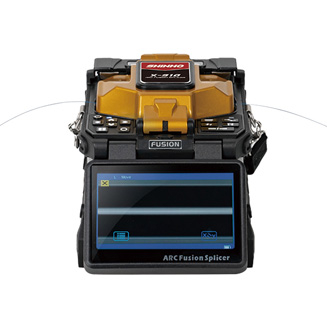
When it comes to managing costs in fusion splicing, adopting best practices can make a significant difference. Here are some key strategies to ensure you get the most value out of your investment in fusion splicers.
Choosing the right fusion splicer is crucial for the success of your project. Consider the following factors:
● Project Requirements: Assess the specific needs of your project. Are you working with single-mode or multi-mode fibers? Understanding the type of fiber will help you select a splicer that meets those requirements.
● Ease of Use: Look for models that offer user-friendly interfaces. This can reduce training time and improve efficiency, especially for teams with varying levels of experience.
● Budget Considerations: While it may be tempting to go for the cheapest option, consider the long-term value. Investing in a reliable, high-quality splicer can save you money on repairs and replacements down the line.
Feature | Importance |
Fiber Type Compatibility | Ensures optimal performance |
User Interface | Affects training time and efficiency |
Price vs. Quality | Impacts long-term operational costs |
Effective project management is key to controlling expenses. Here are some recommendations:
● Plan Ahead: Outline your project timeline and budget before starting. This helps prevent unexpected costs and delays.
● Resource Allocation: Ensure that you have the right tools and personnel available when needed. Delays due to equipment shortages can lead to increased costs.
● Monitor Progress: Regularly check project milestones against your budget. This allows you to identify any potential overruns early and adjust accordingly.
By implementing these strategies, you can keep your project on track and within budget.
Investing in regular maintenance and training for your fusion splicer can significantly reduce long-term expenses. Here’s why:
● Preventive Maintenance: Regularly servicing your equipment ensures it operates efficiently and reduces the likelihood of costly breakdowns. Schedule routine checks to keep everything in top shape.
● Ongoing Training: Providing continuous training for your team helps them stay updated on the latest techniques and best practices. This not only improves efficiency but also minimizes the risk of errors that could lead to costly rework.
● Documentation and Resources: Maintain a library of resources, including manuals and training videos. This makes it easier for new team members to get up to speed quickly.
Maintenance Activity | Frequency | Benefits |
Equipment Servicing | Quarterly | Reduces breakdowns and repair costs |
Staff Training | Biannually | Enhances skills and reduces errors |
Documentation Updates | As needed | Keeps team informed and efficient |
By following these best practices, you can optimize your fusion splicing projects, ensuring they are both cost-effective and efficient. With the right approach, you’ll find that managing costs doesn’t have to compromise quality.
In summary, understanding the costs associated with fusion splicing is essential. Selecting the right fusion splicer can significantly impact your budget.
Investing in quality splicers leads to long-term savings and enhanced performance. Regular maintenance and training further reduce costs over time. Ultimately, making informed choices is key to successful projects.
A: The average cost of a fusion splice typically ranges from $0.50 to $2.00 per splice, depending on various factors.
A: It is recommended to calibrate your fusion splicer every six months or after significant use to ensure accuracy.
A: Costs may increase due to fiber type, project complexity, and equipment quality.
A: Yes, high-end splicers often provide better performance, reliability, and lower long-term costs.
A: Reduce costs by careful planning, efficient resource management, and regular maintenance.
A: Common mistakes include improper fiber preparation, inadequate training, and neglecting equipment maintenance.
A: Consider your project requirements, budget, and the type of fibers you will be working with.


