
close
Choose Your Site
Global
Social Media
Views: 0 Author: Site Editor Publish Time: 2025-11-10 Origin: Site
Have you ever wondered how fibre optic connections are made? Fibre cleavers play a crucial role in this technology.
In this article, we will explore what a fibre cleaver does and its importance in the fusion splicing process.
You'll learn how precise cleaving enhances signal quality and reduces splice loss, making it essential for effective fibre optic installations.
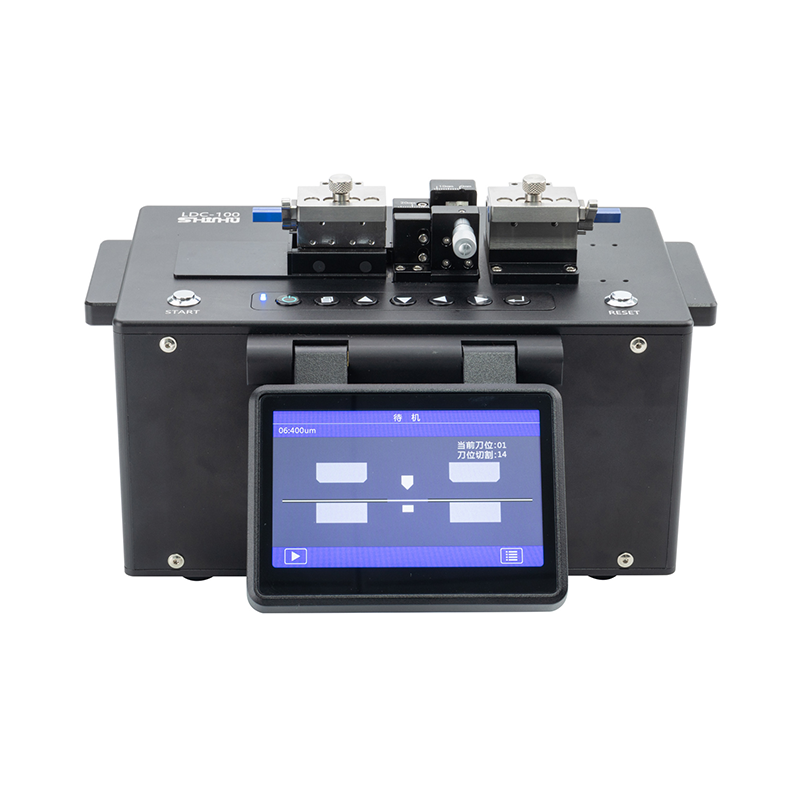
A fibre cleaver is a specialized tool essential for fibre optic installations. Its primary function is to precisely cut optical fibres, ensuring a clean and flat end face. This is crucial for effective fusion splicing, where two fibre ends are joined together to create a continuous optical path.
In fibre optic technology, the quality of the splice directly impacts signal strength and clarity. A well-executed cleave can significantly reduce splice loss, enhancing overall system performance.
The cleaving process involves several steps that require precision and attention to detail. First, the fibre is stripped of its protective coating, exposing the glass core. The cleaver then positions the fibre and applies a controlled force to create a clean break.
Fibre cleavers typically feature a mechanical structure designed for accuracy. They often include:
● Blade Mechanism: A sharp blade that makes a precise cut.
● Fibre Holder: Keeps the fibre steady during the cutting process.
● Adjustment Features: Allow for different fibre diameters and types.
Creating a "high-precision cut" is vital for successful fusion splicing. A clean cut ensures minimal air gaps between the fibres, which can lead to signal loss.
Fibre cleavers serve multiple functions that enhance the splicing process:
1. Cutting Accuracy: They ensure a precise cut, which is essential to reduce splice loss. A clean cut creates a better optical connection.
2. Adaptability: Cleavers can accommodate various fibre types, including single-mode, multi-mode, and ribbon fibres. This versatility is critical in diverse installation environments.
3. Operational Efficiency: Many modern cleavers come equipped with features that enhance user convenience, such as automatic blade rotation and easy-to-read cutting indicators. These features streamline the cleaving process, making it faster and more efficient.
Feature | Benefit |
Adjustable blade angle | Customizes the cleaving process |
Built-in measurement tools | Increases cutting precision |
Lightweight design | Enhances portability and ease of use |
By understanding these key aspects of fibre cleavers, technicians can ensure high-quality splices, leading to improved performance in fibre optic networks. These tools are indispensable in achieving the best results in fusion splicing.
Fusion splicing is a method used to join two optical fibres together. This process involves aligning the fibres and using heat to melt their ends, creating a continuous light path. The result is a strong, low-loss connection that is essential for efficient data transmission in fibre optic networks.
When performed correctly, fusion splicing can significantly enhance signal quality. This technique is widely used in telecommunications, data centers, and other applications where high-speed internet is crucial.
Cleaving is a critical step in the fusion splicing process. It refers to the precise cutting of optical fibres to create flat, smooth surfaces. These surfaces must align perfectly for effective fusion splicing.
The quality of the cleave directly affects the overall splicing quality. If the cleave is uneven or jagged, it can lead to gaps between the fibres. These gaps result in increased splice loss and degraded signal transmission.
Here’s how poor cleaving impacts performance:
● Increased Splice Loss: A poor cleave can lead to splice losses of 0.5 dB or more, whereas high-quality cleaving can maintain splice loss as low as 0.01-0.03 dB.
● Signal Degradation: Any imperfections in the splice can cause reflections and scattering, which degrade the signal quality.
Research shows that high-quality cleaving can dramatically reduce splice loss. For example, studies indicate that using a precise fibre cleaver can keep splice loss below 0.03 dB. This is crucial for maintaining the integrity of long-distance fibre optic links.
Cleaving Quality | Splice Loss (dB) |
High-Quality Cleave | 0.01 - 0.03 |
Moderate Quality Cleave | 0.1 - 0.5 |
Poor Quality Cleave | > 0.5 |
By ensuring a high-precision cut, technicians can significantly improve the reliability and efficiency of fibre optic systems. The role of the fibre cleaver in this process cannot be overstated; it is essential for achieving optimal performance in fusion splicing.
One of the most critical features of a fibre cleaver is its precision. A high-quality cleaver ensures that the end face of the fibre is vertical, burr-free, and crack-free. These characteristics are essential for effective fusion splicing. When the fibre ends are perfectly aligned and smooth, it minimizes air gaps, which can lead to splice loss.
Precision directly impacts the success rate of fusion splicing. Studies show that cleaving accuracy can improve splice success rates significantly. For instance, a precise cleave can maintain splice losses as low as 0.01 dB, while poor cleaving can increase losses to 0.5 dB or more. Thus, investing in a reliable fibre cleaver is crucial for any technician aiming to achieve optimal results.
Fibre cleavers must be versatile enough to handle various fibre types, including single-mode, multi-mode, and ribbon fibres. Each of these fibre types has unique characteristics and requirements.
● Single-Mode Fibres: These fibres have a small core diameter, typically around 9 micrometers, and are used for long-distance communication.
● Multi-Mode Fibres: With a larger core diameter (50 or 62.5 micrometers), these fibres are ideal for short-distance applications.
● Ribbon Fibres: These consist of multiple fibres arranged in a flat ribbon, allowing for efficient mass fusion splicing.
A good fibre cleaver provides adjustability for different fibre diameters and cutting lengths. Common cutting ranges for single fibres are usually between 5 to 20 mm, while ribbon fibres may require different settings based on the number of fibres being cleaved.
Fibre Type | Core Diameter (µm) | Common Cutting Range (mm) |
Single-Mode | 9 | 5 - 20 |
Multi-Mode | 50 / 62.5 | 5 - 20 |
Ribbon | Varies | Depends on configuration |
Efficiency is vital in fibre cleaving, and modern cleavers come equipped with features designed to enhance operational efficiency. For example, many models include automatic blade rotation and cutting count displays. These features not only save time but also help technicians monitor the cleaving process more effectively.
Blade longevity is another significant consideration. High-quality blades can last up to 60,000 cuts, which reduces the frequency of replacements and maintenance. However, regular maintenance is still necessary to ensure consistent performance.
User-friendly designs also play a crucial role. Adjustable cover angles allow operators to customize the cleaving experience based on their preferences. This adaptability can significantly enhance comfort and precision during operation, making the cleaving process smoother and more efficient.
In summary, the key features of a fibre cleaver, including precision, compatibility, and efficiency, are essential for achieving high-quality fusion splicing results. Technicians benefit from investing in reliable tools tailored to their specific needs.
A fusion splicer is a specialized device used to join two optical fibres together by melting their ends. This process creates a continuous light path, ensuring minimal signal loss. Fusion splicing is crucial in telecommunications, where high-speed data transfer is essential. The splicer aligns the fibres precisely and applies heat, allowing them to fuse seamlessly.
In the splicing process, the fusion splicer complements the fibre cleaver. While the cleaver prepares the fibre ends by creating smooth, flat surfaces, the fusion splicer takes those prepared ends and joins them. This collaboration is vital for achieving optimal splice quality and performance.
Though both tools are essential in fibre optics, they serve distinct purposes. Here are the key differences:
● Functionality: A fibre cleaver is designed solely for cutting optical fibres to create a clean, precise end face. In contrast, a fusion splicer joins those ends together using heat.
● Application: Fibre cleavers are used at the start of the splicing process, while fusion splicers are used afterward to complete the connection.
When deciding whether to use a fibre cleaver or a fusion splicer, consider the task at hand. If you need to prepare fibres for splicing, reach for the cleaver. However, once the fibres are cut, the fusion splicer becomes essential for creating a reliable joint.
Tool | Primary Function | Use Case |
Fibre Cleaver | Cuts fibres to create a smooth end | Preparing fibres for splicing |
Fusion Splicer | Joins fibres by melting their ends | Completing the splice |
Using compatible equipment is crucial for achieving the best results in fibre optic splicing. When fibre cleavers and fusion splicers are integrated effectively, technicians can ensure high-quality connections with minimal loss. Many manufacturers offer equipment packages that include both tools, designed to work seamlessly together.
These packages often come with additional accessories, such as cleaning tools and carrying cases, making it easier for technicians to maintain their equipment. By investing in a complete splicing kit, users can streamline their workflow, improve efficiency, and enhance the overall quality of their fibre optic installations.
In conclusion, understanding the differences and integrations between fibre cleavers and fusion splicers is essential for anyone working in fibre optics. The combination of these tools leads to superior performance and reliability in splicing operations.

Choosing the right fibre cleaver can make a significant difference in your splicing success. Here are some important factors to consider:
● Type of Fibre: Different cleavers are designed for specific fibre types, such as single-mode or multi-mode fibres. Make sure the cleaver you choose is compatible with the fibres you work with.
● Cutting Precision: Look for cleavers that offer high precision and consistent results. A good cleaver should produce smooth, flat ends for optimal splicing.
● Ease of Use: Consider how user-friendly the cleaver is. Features like automatic blade rotation and simple adjustments can save time and reduce errors during the cleaving process.
When selecting a cleaver, it's helpful to check reviews and recommendations. Some popular brands include Fujikura, Sumitomo, and Corning, known for their reliability and performance. Depending on your specific needs, one model may stand out as the best option.
To keep your fibre cleaver performing at its best, routine maintenance is essential. Here are some maintenance tips:
● Regular Cleaning: After each use, clean the cleaver to remove dust and debris. Use a soft, lint-free cloth to wipe the cutting area and ensure smooth operation.
● Blade Replacement: Over time, blades will dull. It's crucial to replace them when they no longer provide clean cuts. Follow the manufacturer's instructions for replacing blades to avoid damage.
● Calibration Checks: Periodically check the calibration of your cleaver to ensure it maintains the correct cutting angles.
Maintenance Task | Frequency | Tips |
Cleaning | After each use | Use a soft cloth; avoid harsh chemicals |
Blade Replacement | As needed | Follow manufacturer's guidelines |
Calibration Check | Monthly | Ensure accurate cuts for optimal splicing |
Even the best fibre cleavers can encounter issues. Here are some common problems and how to troubleshoot them:
1. Rough Cuts: If the cleaver produces rough or uneven cuts, it might be due to a dull blade. Replace the blade and clean the cutting area thoroughly.
2. Inconsistent Cuts: If cuts vary in quality, check the alignment of the fibre in the cleaver. Ensure it is seated correctly and that the cleaver is calibrated properly.
3. Blade Not Rotating: If the automatic blade rotation feature isn’t working, check for obstructions or debris. Cleaning the mechanism can often resolve this issue.
Remember, regular maintenance and careful handling can prevent many of these problems. If issues persist, consult the user manual or contact the manufacturer for further assistance. By addressing these common concerns, you can maintain the efficiency and longevity of your fibre cleaver.
Fibre cleavers play a crucial role in the fusion splicing process. They ensure precise cuts, which are essential for optimal fibre connections. Choosing the right fibre cleaver is vital for achieving high-quality splices.
Consider factors like fibre type and cutting precision. By selecting the best cleaver for your needs, you can enhance your fibre optic installations and improve overall performance.


