
close
Choose Your Site
Global
Social Media
Views: 0 Author: Site Editor Publish Time: 2025-09-13 Origin: Site
Fusion splicing is the backbone of modern fiber optic installations, ensuring reliable, low-loss connections between fibers. From telecom networks to 5G and FTTH services, this technology is critical for performance.
In this article, we will explore the evolution of fusion splicing, from its early manual days to today's advanced SMART splicers. You’ll gain insights into how these innovations have shaped the industry and improved installation efficiency.
In 1977, Fujikura introduced the world’s first fusion splicer, the FR-1. This early fusion splicer was a breakthrough, though it was far from what we know today. It was bulky, cumbersome, and required highly skilled technicians to operate. Technicians would manually adjust mechanical dials to align the fibers and use a basic microscope to observe and monitor the fusion process. The splicing process was rudimentary, often resulting in splice losses higher than 0.5 dB — a good splice at the time.
Despite its limitations, the introduction of the fusion splicer revolutionized fiber optic connectivity, replacing older methods that were less reliable and harder to implement on a larger scale.
Fusion splicing in the 1970s was a highly manual process. Technicians had to rely on skill and precision to align fibers, manually adjusting the equipment while using a microscope for monitoring. Without the aid of automated features, splicing required a steady hand and significant expertise. The equipment did not have cameras or magnification, which added to the difficulty. The splicing process was slow, with higher chances of human error and inconsistent splice quality, particularly in larger-scale projects.
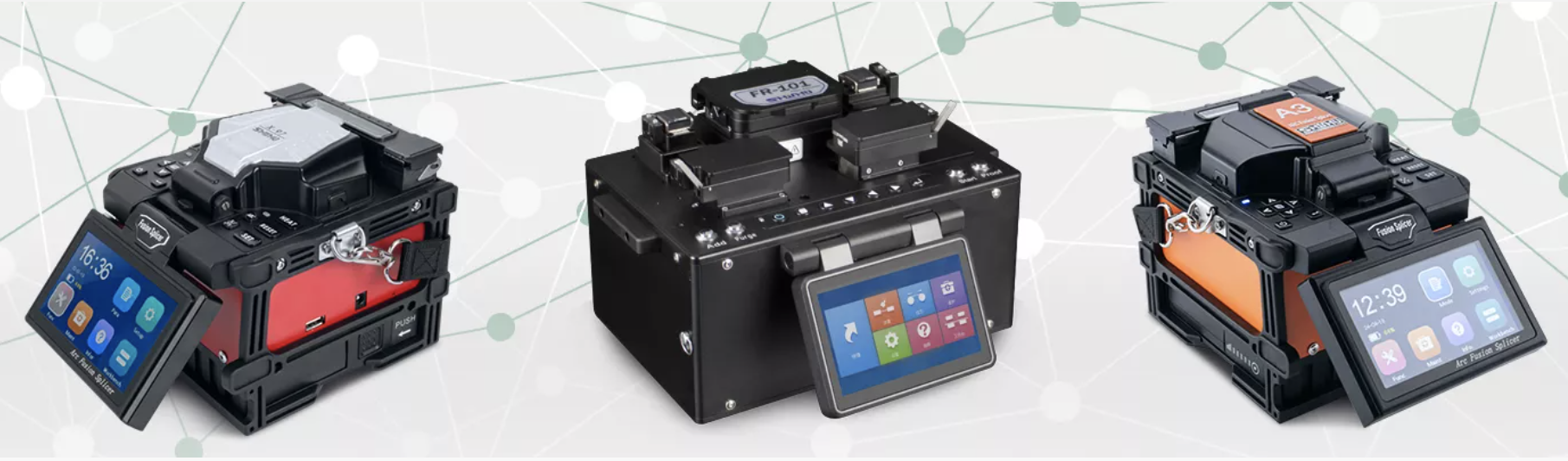
As computing and processing technologies advanced, fusion splicers began to incorporate more automation. Features like automatic fiber alignment, arc fusion, and digital processing started to reduce the manual labor required from technicians. This made the process much more efficient, increasing splice reliability and consistency.
Fusion splicers began using image processing and automated alignment mechanisms that ensured precise fiber alignment without needing the technician to adjust dials manually. These innovations allowed for repeatable and reliable results, drastically improving the quality of fiber optic installations.
With the development of core alignment fusion splicers, the accuracy of fiber alignment improved significantly. Unlike earlier splicers that aligned fibers based on their cladding, core alignment splicers focus on the central core of the fiber, ensuring much better alignment and reduced splice loss. These machines also featured advanced image processing systems that automatically detected the best fusion point for the fibers, improving speed and precision. The core alignment splicer was a game-changer for fiber optic installation and repair, particularly for high-performance applications where low-loss splices were critical.
In recent years, fusion splicing has entered the SMART era. Today’s fusion splicers are equipped with SMART technologies—Self-Monitoring, Analysis, and Reporting Technology (SMART). These machines can monitor and adjust their performance in real time, ensuring a high level of splice quality and efficiency. SMART splicers can communicate with fiber preparation tools, such as cleavers, and ensure that every fiber is properly prepared for splicing.
This technology can alert technicians when a cleaver blade needs replacing, saving time and improving overall workflow. Additionally, SMART fusion splicers can optimize arc fusion parameters depending on the type of fiber being spliced, ensuring consistently high-quality splices, regardless of the fiber type.
Modern fusion splicers are equipped with advanced imaging systems that can scan the fiber and automatically detect its type—whether it’s single-mode, multi-mode, or bend-insensitive fiber. The splicer then adjusts its fusion settings accordingly. Real-time monitoring systems also allow for immediate diagnostics, so any errors can be identified and corrected before completing the splice. This technology helps prevent mistakes and ensures that each splice meets the required standards.
The evolution of fiber optic technology has resulted in an expanding array of fiber types, each tailored to specific use cases and environments. As the demand for high-performance networks increases, innovations like bend-insensitive fibers, micro cables, and ribbon fibers have emerged. These new fiber types have a significant impact on fusion splicing, as each requires specialized techniques and tools to ensure quality splicing.
Bend-insensitive fibers, for instance, are designed to minimize signal loss when bent, which is particularly valuable in tight spaces or areas prone to fiber bending. These fibers require more precise handling to avoid damaging the delicate core. Similarly, micro cables are increasingly used in high-density installations where space is limited, necessitating tools that can handle tiny, fragile fibers without compromising performance.
Ribbon fibers, one of the most notable innovations, contain multiple fibers bundled together in a single strip, allowing for faster installations in environments like data centers and telecom networks. However, splicing ribbon fibers requires a different approach from traditional single fibers. For instance, thermal strippers are used to remove the protective coating on ribbon fibers, whereas mechanical strippers are suitable for single fibers. These advancements in fiber technology have led to the development of fusion splicers that can handle multiple fiber types simultaneously, ensuring the continued relevance of fusion splicing in an ever-evolving industry.
The versatility of modern fusion splicers is paramount, as they must accommodate these new fiber types without sacrificing splice quality. Splicer manufacturers have responded by equipping their tools with interchangeable v-grooves and adjustable heating elements to handle both single-core and ribbon fibers, along with other specialized fiber types. This adaptability is essential for keeping up with the growing complexity of fiber optic installations.
Preparing fibers for splicing has become increasingly complex as new fiber types have been introduced. Historically, preparing fibers for fusion splicing was relatively straightforward, primarily involving the use of mechanical strippers to remove coatings and cladding from single-mode fibers. However, the rise of ribbon and other specialized fibers has required a shift toward more advanced techniques and tools.
For ribbon fibers, thermal strippers have become essential. These devices use controlled heat to soften and remove the fiber coating, a process that ensures the fibers remain intact and undamaged. Mechanical strippers, in contrast, are better suited for single-mode fibers, where the process is simpler and less prone to fiber breakage.
In addition to stripping, proper cleaving and cleaning techniques are also critical in ensuring a high-quality splice. As fiber types have diversified, so too have the tools and methods required for proper preparation. Today, fusion splicers are designed with features that allow for precise cleaving and automated cleaning processes, ensuring that fibers are properly prepped before they are fused together.
For instance, modern fusion splicers may include automatic fiber holders, adjustable clamps, and image processing systems that ensure the fiber is correctly aligned. With the introduction of multi-fiber ribbons and other specialized fiber types, fusion splicers must now accommodate a wider range of preparation methods and tools, making them more versatile and capable of handling the complexities of contemporary fiber optic installations.
Modern fusion splicers are increasingly leveraging cloud technology to improve the overall workflow. Fusion splicers now collect data about each splice and store it in the cloud for future reference. This data can be used for analysis, job verification, and troubleshooting, making it easier for technicians to monitor and improve their work.
Cloud integration allows for remote monitoring, where the performance of each fusion splicer can be tracked in real time. This offers significant advantages, such as quicker issue identification and easier maintenance scheduling, ensuring continuous operations with minimal downtime.
Mobile applications are another innovation that enhances the splicing process. Technicians can access splice data from their smartphones or tablets, providing them with real-time performance metrics, splice success rates, and even error logs. This accessibility empowers technicians to track progress, diagnose problems remotely, and verify splice quality without being physically present at the site, which is especially valuable for large projects or remote locations.
Cleanliness is essential for achieving optimal splice quality in fiber optic installations. Even minor contaminants—such as dust, fiber particles, or moisture—can affect the integrity of a splice, leading to higher splice loss and potential network failures. Ensuring that every step of the splicing process is clean, from fiber preparation to the final fusion, is vital.
In modern fusion splicers, cleanliness is addressed through various innovative features. Automatic cleaning cycles ensure that the cleavers, v-grooves, and other splicing tools are free from debris. Additionally, many splicers come equipped with built-in alerts that notify technicians when cleaning is necessary. These features help maintain a clean working environment and significantly reduce the chances of splicing errors, leading to more reliable connections and overall better performance in the network.
Fusion splicer manufacturers often recommend using specific cleaning tools and consumables to ensure that fibers are properly cleaned before splicing. This focus on cleanliness is especially crucial in industries like telecommunications, where even the smallest splicing errors can lead to costly downtime and performance issues.
Another major advancement in fusion splicing technology is the development of multi-fiber splicing capabilities. Traditional splicing tools were limited to handling one fiber at a time, which could be time-consuming and inefficient, especially for large-scale fiber optic installations. However, with the rise of ribbon fibers and multi-core cables, modern fusion splicers have evolved to handle multiple fibers simultaneously.
For example, ribbon fiber splicers are designed to splice up to 12 fibers in a single operation. This significantly speeds up the splicing process, making it ideal for applications that require high fiber counts, such as in data centers, telecom networks, and 5G installations. The ability to splice multiple fibers at once increases the overall efficiency of fiber optic projects and reduces the time needed for network deployment and maintenance.
These multi-fiber splicers are equipped with advanced alignment systems that ensure that all fibers are properly aligned before the fusion process. This ensures that the splice quality remains high, even when dealing with numerous fibers at once. Whether it's for a dense data center network or a large-scale telecom infrastructure, multi-fiber splicing technology helps technicians work faster without compromising on splice integrity.
Fusion splicers have become specialized tools, tailored to the unique demands of different industries. In telecommunications, for instance, single-fiber splicers are often used for FTTH installations, while ribbon splicers are preferred for large-scale, high-density installations. Data centers and 5G networks require advanced splicing equipment that can handle higher volumes of data traffic, driving the need for faster and more reliable splicing tools.
When choosing a fusion splicer, it’s essential to consider factors like cost, fiber type compatibility, ease of use, and splicing speed. A fusion splicer that’s easy to use and capable of handling various fiber types can help improve efficiency and reduce operational costs in the long run. As the fusion splicing industry evolves, new tools and technologies continue to make it easier for technicians to achieve high-quality splices with less effort.
In 2025, the fusion splicer market offers a variety of advanced tools tailored to different needs and budgets. By understanding key features and comparing top models, professionals in fiber optic installation can make informed decisions that optimize their work. Whether you prioritize precision, portability, or budget, there’s a fusion splicer to enhance your workflow and ensure project success.
Shinho Fiber Communication Co., Ltd , offering cutting-edge fusion splicing products ensures reliable, high-quality installations for clients across industries. Their innovative fusion splicing solutions provide great value in terms of efficiency and performance.
A: A fusion splicer is a device used to join two optical fibers using heat. It ensures a low-loss, reliable connection, crucial for building and maintaining fiber optic networks.
A: Initially bulky and manual, fusion splicers have evolved into highly automated, SMART machines with image processing and real-time diagnostics to improve efficiency and accuracy.
A: Specialty fusion splicers are designed for specific fiber types, such as ribbon or multi-fiber cables, enhancing precision and speed, especially in large-scale installations.
A: Modern fusion splicers offer automated fiber alignment, real-time diagnostics, and cloud-based data collection, improving splice quality and operational efficiency.
A: Modern fusion splicers are equipped with interchangeable v-grooves and thermal strippers to handle various fiber types, such as bend-insensitive and ribbon fibers.


